Current Research- ‘From Morecambe Bay to Botany Bay‘- Transportation and Lancastrian Female Convicts
Feb 2025 Update
I have been continuing to populate the convict database over the last year and am now over half way, working alphabetically; currently researching women whose surnames start with ‘M’. To date there are now 473 names on the database. In the last year I have now uncovered evidence of at least four women who did leave Australia, three of whom came back to England. I have also turned up evidence of a woman with learning difficulties being transported as well as one or two birth cover ups and secret romances. Perhaps of greatest excitement was the first image of a Lancastrian female convict- Sarah Leadbetter whose miniature is in the NSW State Library.
My paper for the Lancaster Archaeological and History Society’s annual journal, Contrebis about the Lancastrian female convicts, is now published and will be available to view here for non-members later this year.
I’m pleased to have been asked to deliver a lecture later this month for the Ewecross Historical Society, Bentham about the convict women.
Outside of my major project, I’m going to be giving a lecture as part of the Judges’ Lodgings 400th birthday celebrations in August ‘Walking Up & Down Every Part of the Country’: Vagrancy and the Judges’ Lodgings. This examines the little-known role the Lodgings played as a petty court that dealt with large numbers of homeless men women and even children charged with begging, sleeping out and stealing in the 19th and early 20th century. For tickets watch this space!
Finally, I’m really excited to have been asked by Lancaster City Museums to be a regular guide, delivering themed walking tours around the city. We have several dates already pencilled in for walks about the Lancaster Convict Women, Yards Courts & Alleys and Medical History. I’ll keep you in the loop.
–
My current research is focusing on the 473 women who were sentenced to be transported to Australia and Tasmania after being convicted at or held at Lancaster Castle during the period 1787- 1852. The project begins with creating an accurate and up to date database of all the women with their ages, date, place and nature of their conviction, what ship they were transported on and voyage details. A detailed biography will be created for each woman with evidence pulled from multiple sources from UK and Australian records. This will include physical descriptions, in depth information about their crime, what penal work they did and BMD information, subsequent involvement with the law and when (if any) tickets of leave or certificates of leave were granted. I will also be examining the women who received a sentence of transportation but remained in England (at least 20% of all the women sentenced for reasons of age, health or behaviour).
The ultimate aim of this project is to a) create a publicly accessible, searchable database that can be used by researchers, family historians and heritage bodies and b) curate a new exhibition focusing on the stories brought to light of the Lancastrian women transported to Australia.

Podcasts- 100 Years 100 Objects

Lancaster City Museum 2023.
My two podcasts are now available online at-
https://onehundredyearsonehundredobjects.podbean.com/e/2-margaret-bird-indenture/
https://onehundredyearsonehundredobjects.podbean.com/e/12-richard-owen-letter/
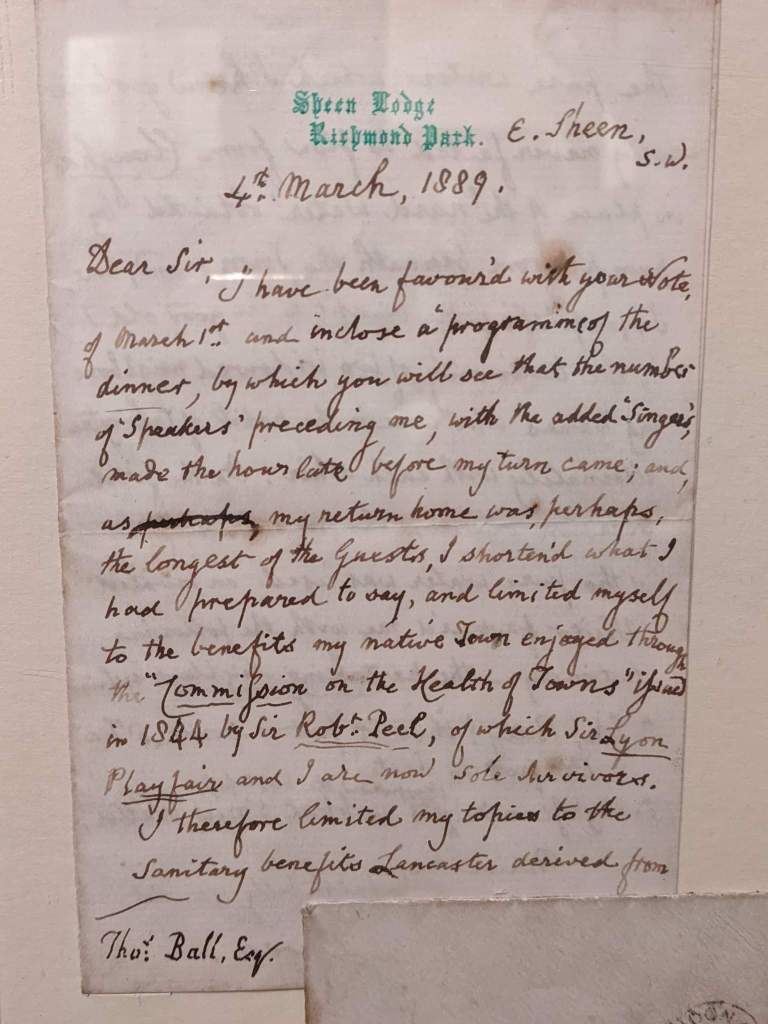
To celebrate the centenary of Lancaster City Museum, I’ve been asked to contribute towards a project which will examine 100 objects within the museum’s collections that highlight the history and achievements of the city in podcast form.
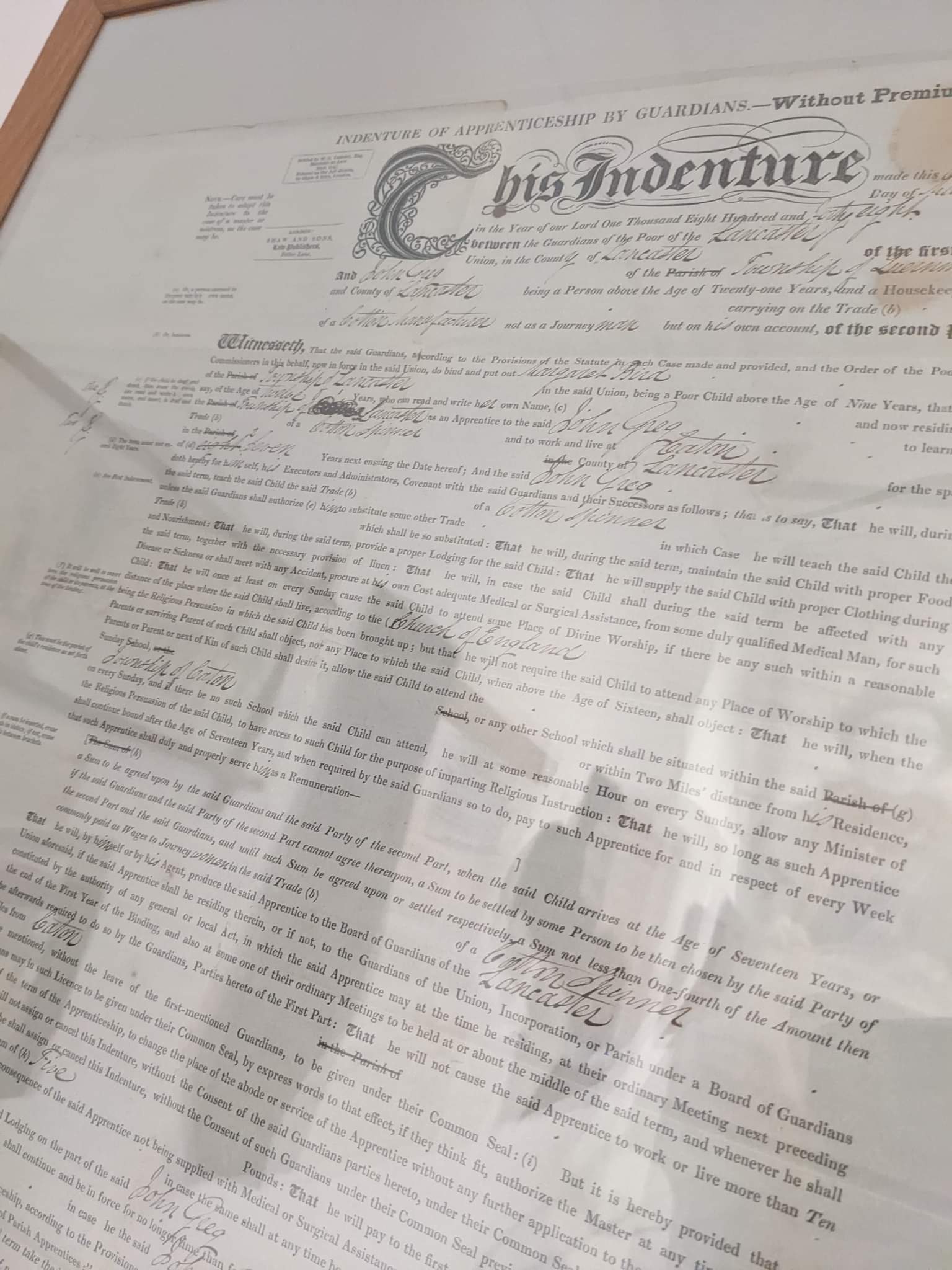
I’ve chosen two documents- the first is a letter from Richard Owen who was born in Lancaster and went on to great things in the fields of anatomy and natural history. I’ll be examining his lesser known (and as far as I’m concerned) equally important role in improving public health and sanitation. The second document is an indenture for 12 year old Margaret Bird who was a parish pauper apprentice along with her younger sister Elizabeth. They were both sent to the Greg family mill at Caton.
The collection of podcasts will be slowly released throughout the museum’s 100th year.
Heritage Open Days Event- Christ Church- The Workhouse’s Church
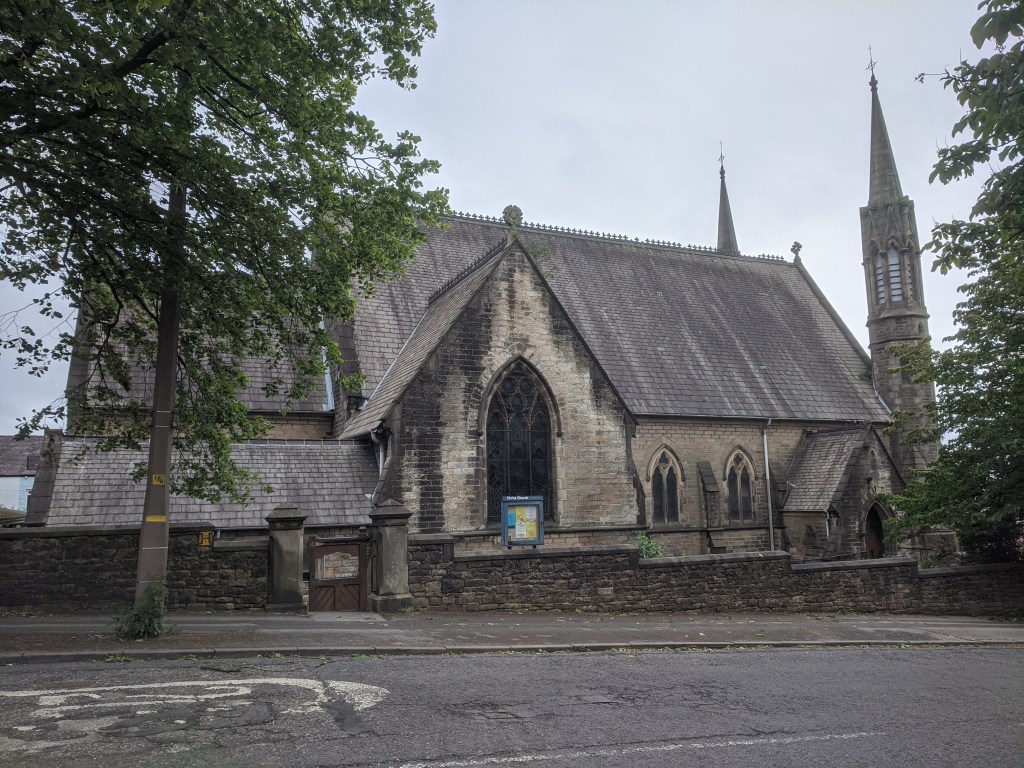
Saturday 17th September 2022, 7pm. Free event.
I am very pleased to have been asked by Christ Church Lancaster to give a presentation evening where we will explore the close relationship and history between the workhouse and the church. This will be an informal event with displays, photographs, objects and documents from Christ Church’s archives and chance to chat with me about the inseparable link between the two.
Guided Tour- ‘We’re Going to East Road‘: A Workhouse Walk & Talk
Saturday August 20th 2022, 10am- 12pm. Booking Essential.

In collaboration with Lancaster City Museum I will be leading a walking tour to sites in and around the city centre connected with the workhouse.
Meeting at the old barracks (White Cross Business Park) opposite the RLI, we will steadily make our way through the city centre, heading uphill, following the route that those heading to the workhouse would have used and take a look inside surviving buildings.
Please note this tour covers 2.5 miles of uphill walking and areas of uneven ground. In the event of inclement weather the tour may need to be rescheduled.
Booking is essential as spaces are limited. Call Lancaster City Museum on 01524 64637 to book your free place.
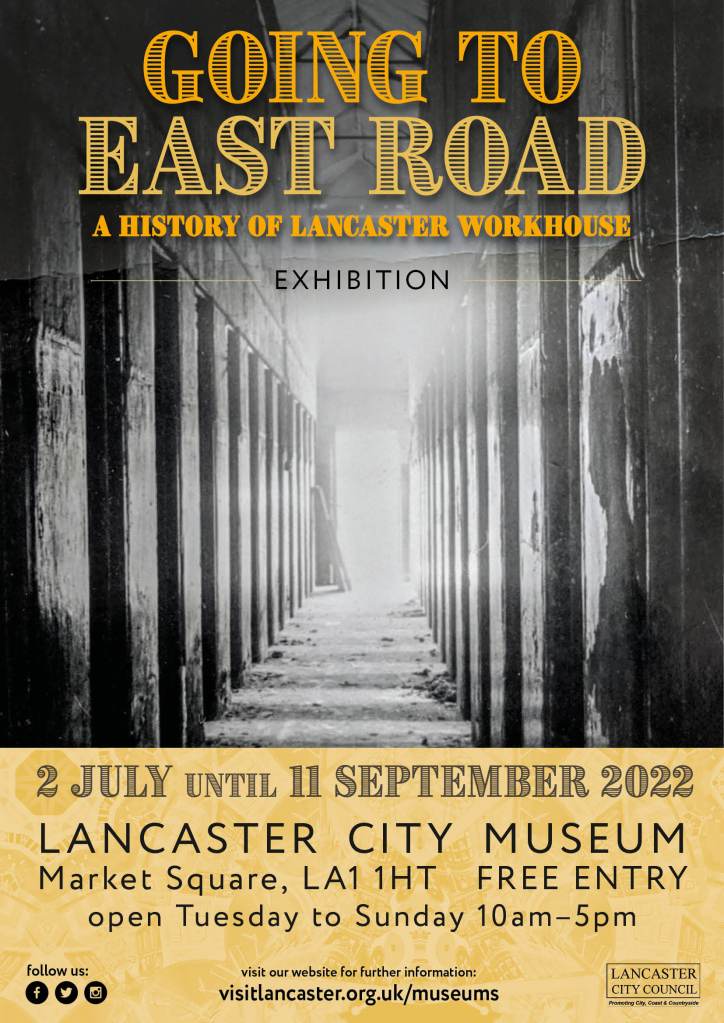
Exhibition- ‘Going to East Road‘: A History of Lancaster Workhouse
2nd July-11 September 2022. Lancaster City Museum.

“Going to East Road”: The History of Lancaster Workhouse describes the role of a workhouse, who ended up inside it and how it fitted into the wider Lancaster community.
Researched and curated by myself over the last nine years, the exhibition brings together for the first time little known photographs, oral histories, documents and objects to tell the stories of some of the individuals who lived and worked inside Lancaster Workhouse. These stories are shocking, sad and sometimes hopeful but often incomplete. We have tried to give a voice to those once forgotten, now remembered.
The exhibition can now be explored virtually by clicking here
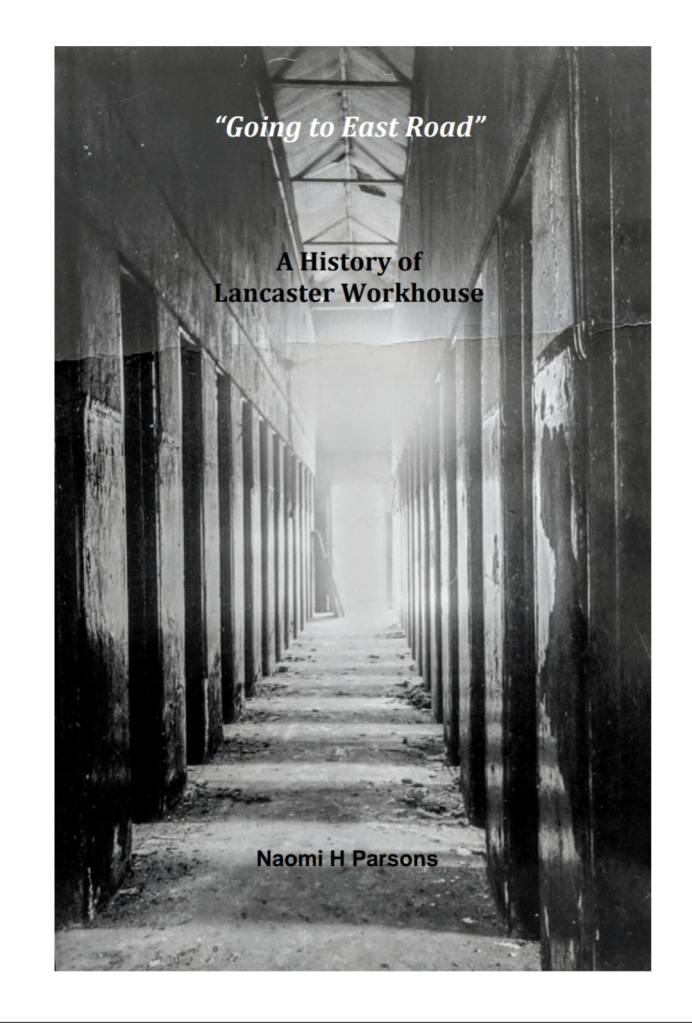
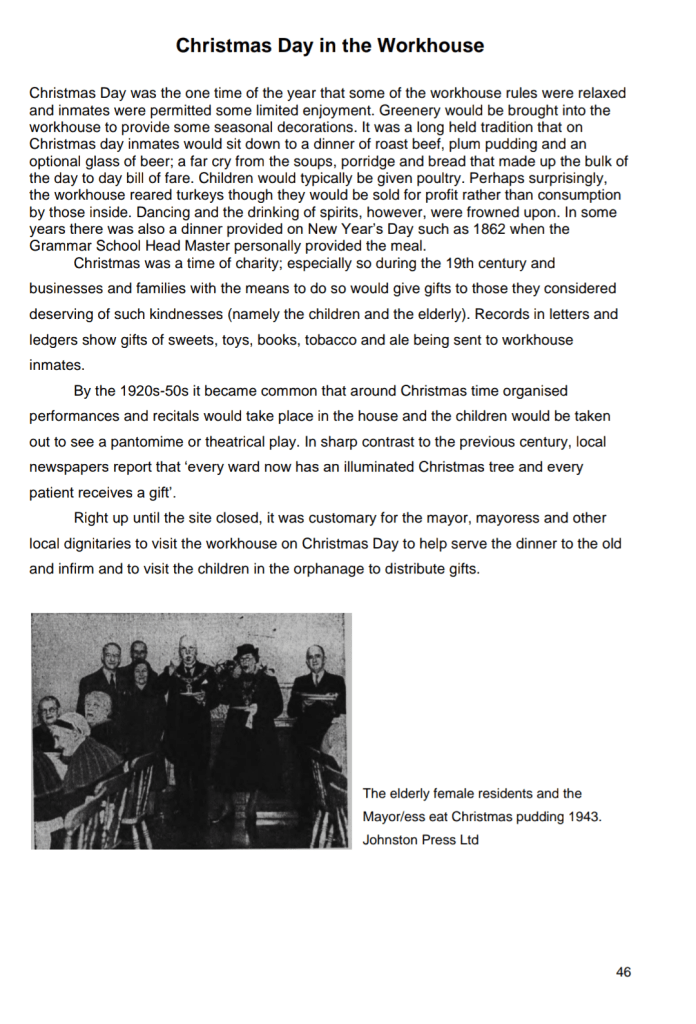
To accompany the exhibition, I produced a 64 page booklet which is available to view online through this website
With very grateful thanks for the support of Lancaster City Council, Lancashire Archives and Libraries, Lancaster Royal Grammar School, Regional Heritage Centre at Lancaster University and many others.
 Lancastrian Research