In an era when there was no social security safety net, those in need of relief from hardship brought about by ill health or age had only a few options of places to turn. A lucky few would receive ‘outdoor relief’; money for rent, food or medicines from the local Board of Guardians; the unlucky majority would get themselves a ticket to the workhouse. Others may have found charity from their parish church or on occasion, from a particularly benevolent local citizen.
In Lancaster, a fair number of deserving elderly people found aid in the form of the almshouse, of which for its size, Lancaster had several. A place in an almshouse was most coveted; not only was a house provided but a pension and clothing too and there were many more applicants for accommodation than places available. Today, only one of the historic almshouses still exist, though over the years, further ones have been built to take the place of those demolished. Now The Lancaster Charity runs all the existing almshouses, as well as a further one in Morecambe.
- St Mary’s Gate (Vicarage Court/Priory Close) adjoining ‘Greycourt’- Gardyners Chantry is the earliest known almshouse built in 1485 by John Gardyner of Bailrigg. It was rebuilt 1792 but demolished post 1890. It initially had places for four men, later, for four widows.
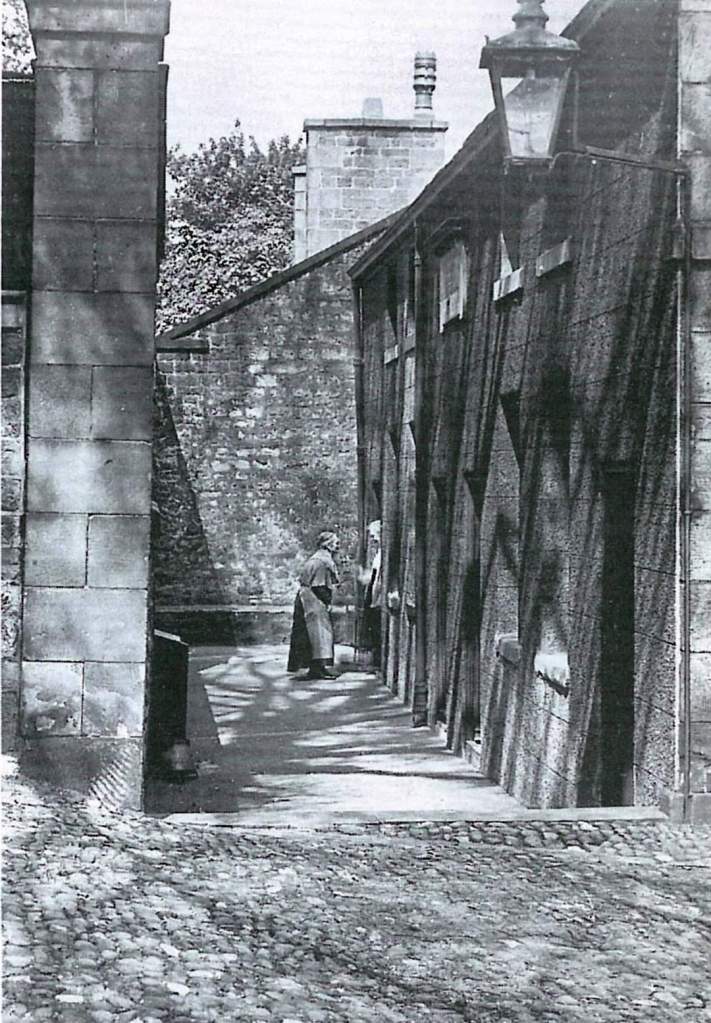
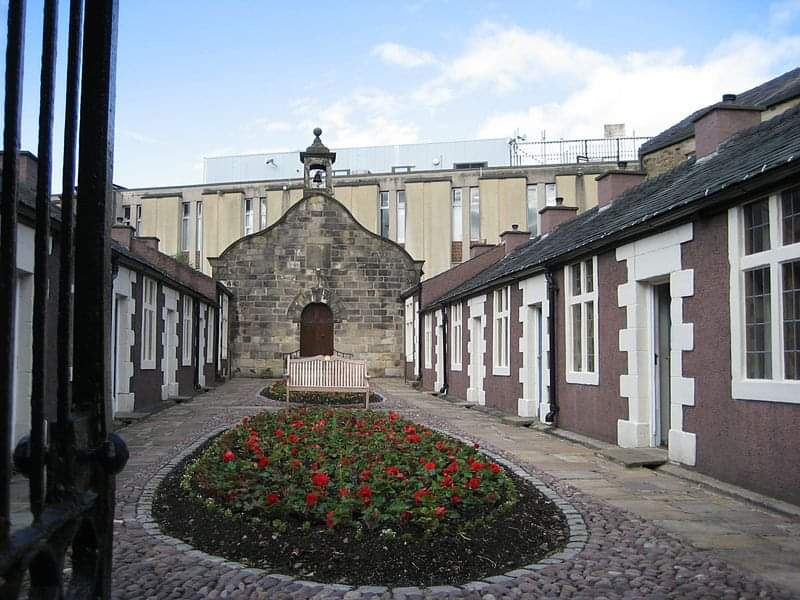
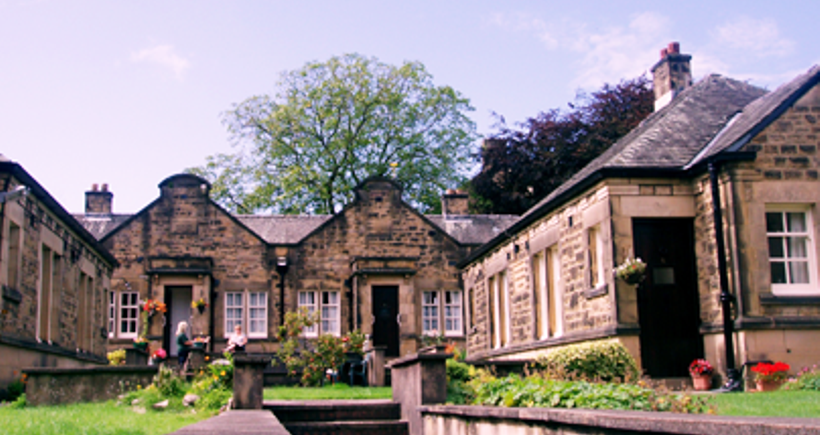
- King Street- William Penny’s Hospital was set up in 1720 for twelve poor men (later, it allowed two women). A new suit of clothes was provided for each occupant every year. The chapel within the hospital still sees regular use. Two of the cottages were demolished for road widening in 1930 but two more were then built next to the remodelled chapel. This is the only historic almshouse in Lancaster still standing.
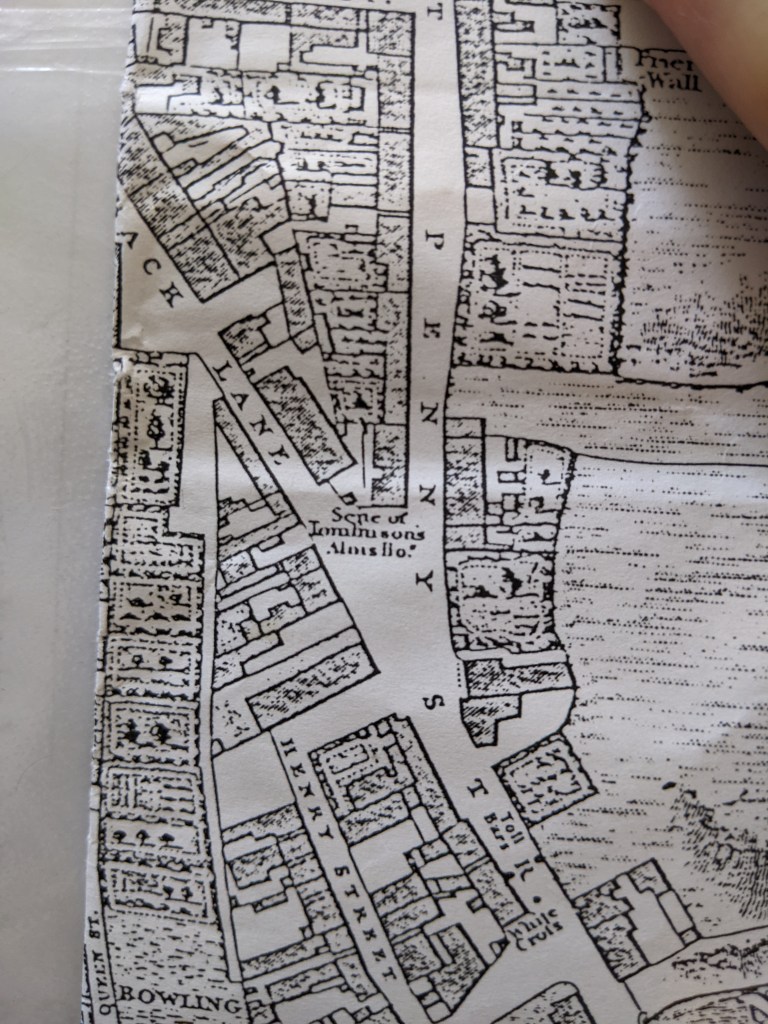
- Penny Street- Townsons Almshouses- It is not known when this early group of 6 cottages by the White Cross were built or even who endowed them but they were demolished around 1812 because it was felt they projected into the road too much. They can be seen on Docton’s map after Kuerden 1684/5, Mackreth’s 1778 and show as ‘site of’ on Binn’s 1821 map, labelled incorrectly as Tomlinsons almshouses.
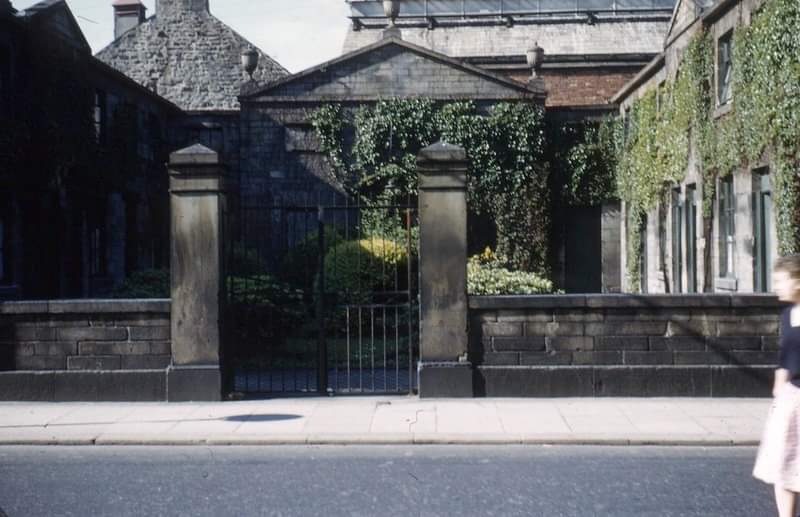
- Common Garden St- Gillisons Hospital. These almshouses were built in 1790 after the money was provided through the will of Anne Gillison. They housed unmarried elderly women. As well as a pension, each resident received a new gown annually. They were demolished in 1960.
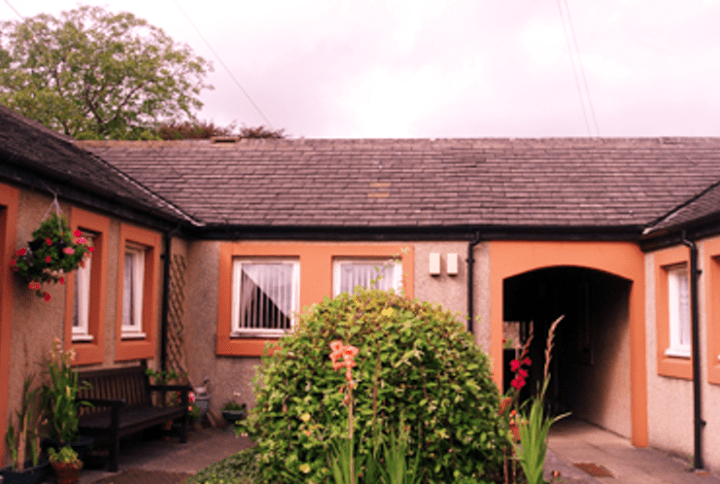
- As well as William Penny’s Hospital, the almshouses that can still be found today are in Queen St; Queen St Bungalows built 1938. Lindow Street & Square- Gillisons Bungalows, 1959 & Lindow Close Bungalows, 1978. In addition there are flats in 16 & 18 Queen St and William Penny’s block of flats on Regent Street, built 1968.
 Lancastrian Research